November 12, 2026
When hiring a professional local tree service, several key factors must be considered to ensure the safety, health, and beauty of your trees and property. Managing trees requires careful planning, specialized equipment, and skilled labor. According to IBISWorld, the tree trimming market size in America is worth $26 billion in 2026. Every decision made regarding pruning, maintenance, or removal directly impacts property safety and the surrounding landscape across the U.S. This guide outlines the essential considerations property owners should evaluate before scheduling a local tree service, ensuring informed choices and dependable results.
Critical Tree Care Needs
Evaluate Tree Health
Assessing the physical condition of your trees is the first step before scheduling service. Identifying deadwood, trunk cavities, fungal decay, and root instability early can avert serious property damage and extend the lifespan of your trees. Routine health evaluations help property owners spot warning signs such as dying canopy sections or leaning trunks before they escalate into emergency hazards.
Healthy, well-maintained trees enhance property values and curb appeal while providing vital shade. Knowing your trees' condition ensures the right service is applied, whether that involves crown thinning, deadwood removal, or hazardous limb reduction. Performing routine tree risk assessments and aerial canopy inspections gives property owners actionable insight into structural stability, preventing sudden branch failure.
Trees with compromised root systems or hollow trunks present severe liability risks to nearby buildings and overhead utility lines. Consistent visual evaluations determine whether selective pruning can resolve the issue or if complete removal is necessary to safeguard the property. Investing in prompt preventative care protects your landscape investment and preserves outdoor safety.
Identify Required Services
The scope of care required depends on tree species, height, maturity, and location. Some trees only require routine canopy thinning and ornamental pruning to encourage balanced growth and improve sunlight penetration. Others demand hazardous limb clearance away from roofs, fences, and power lines.
Tree care encompasses a wide range of operational solutions for properties throughout the United States. Standard care focuses on deadwood elimination and structural shaping to prevent storm breakage. More complex situations demand specialized equipment, such as heavy cranes for tight-space removals, mechanical stump grinders, or machinery for whole-tree extractions. Defining your specific project requirements ensures the contractor arrives with the proper equipment and crew capabilities.
Consider Seasonal Timing
Tree maintenance timing is closely tied to seasonal weather patterns. For many trees, late winter or periods of dormancy provide an ideal window for structural pruning, as canopy visibility is high and cuts heal cleanly before new spring growth begins. Proper scheduling during these periods promotes vigorous development once warmer weather returns.
Differentiate Emergency and Routine Care
Property owners must distinguish between emergency tree hazards and routine maintenance. Emergency situations involve immediate threats such as large hanging limbs, storm-damaged trees leaning over homes, or branches tangled in utility lines. These crises demand rapid, 24-hour response to secure the site and eliminate hazards before further structural damage occurs.
In contrast, routine services such as preventive trimming, canopy elevation, and planned stump removals are scheduled ahead of time. Routine maintenance functions as the first line of defense against storm emergencies by systematically removing compromised timber before severe weather strikes. Staying on top of regular checkups substantially limits the likelihood of sudden branch failures.
Reputable Tree Service Providers
Check Customer Reviews
Researching a company's standing in the local community is an essential first step. Begin by checking verified feedback on platforms such as Google and the Better Business Bureau. Customer reviews highlight a company's reliability, punctuality, and job-site safety standards.
Look for consistent patterns in client feedback, particularly regarding crew professionalism, respectful property treatment, and thorough debris cleanup. A strong track record of positive reviews demonstrates operational consistency and dependable customer service. These real-world accounts give property owners greater confidence before finalizing their choice.
Verify Licensing and Safety Standards
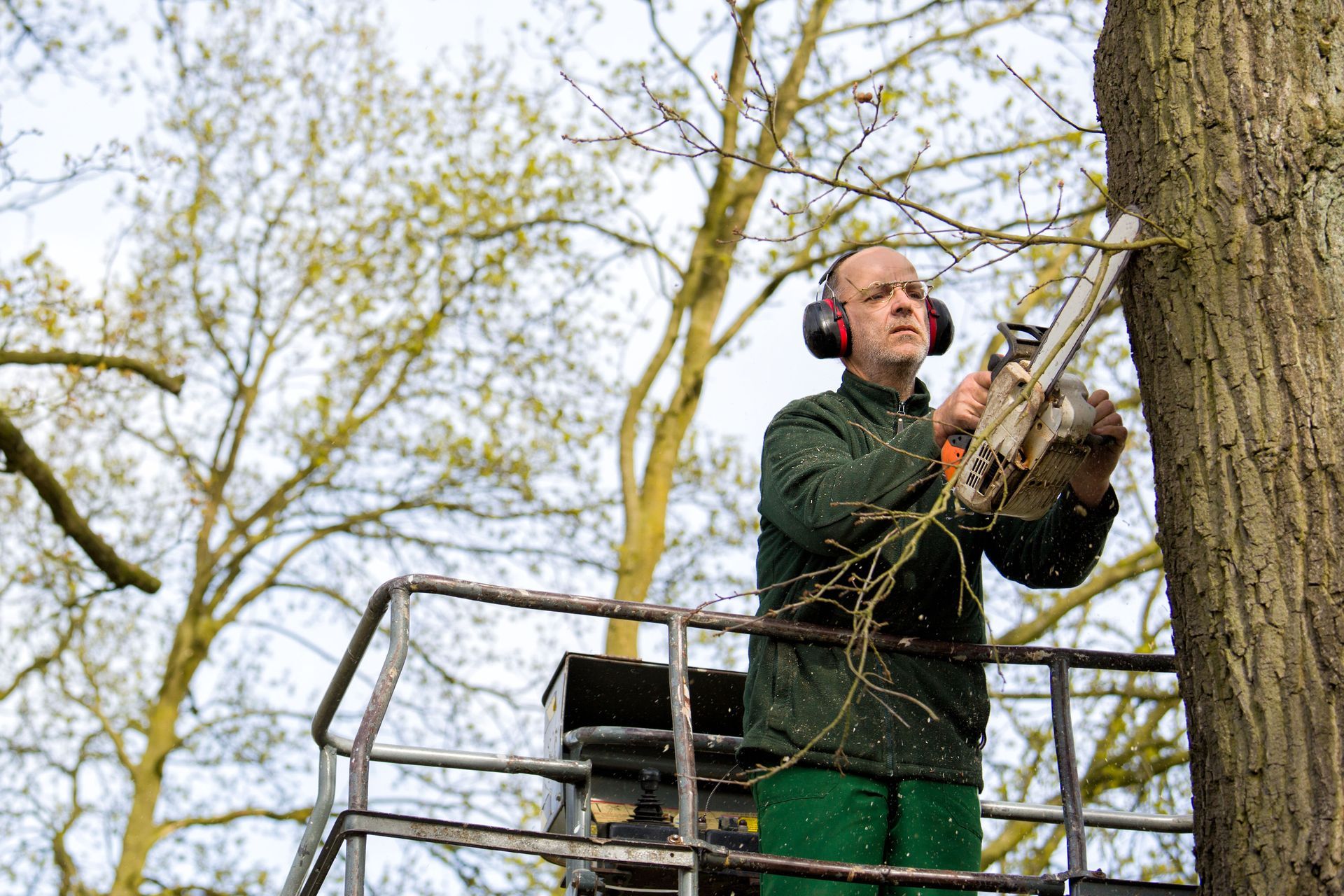
Verifying that a tree service company holds valid operating licenses and adheres to industry safety standards is essential. Tree work involves complex rigging, sharp cutting machinery, aerial lifts, and heavy timber management, making formal qualifications non-negotiable. Qualified crews carry the practical training needed to prevent accidents on site.
Confirm Insurance Coverage
Adequate insurance coverage is mandatory for any tree care project. Without proper coverage, property owners risk significant financial liability if a worker is injured or property is damaged during the job. Taking time to verify these protections prevents expensive disputes later.
Verify two vital policies before hiring any provider, which are general liability insurance and workers' compensation. General liability covers accidental damage to your home, structures, vehicles, and neighboring properties. Workers' compensation protects the tree crew if an injury occurs on site. Reputable contractors supply up-to-date certificates of insurance directly upon request.
Review Past Work
Reviewing a company's past work clarifies their technical capabilities and equipment capacity. Companies handling hazardous extractions should demonstrate prior experience managing tight-quarter crane operations, large-scale commercial tree projects, and precise ornamental work. Examining prior projects confirms that the team is equipped for your particular challenges.
Assess Customer Communication
Clear communication is essential throughout any tree project. From the initial inquiry to on-site work and final invoicing, the contractor should provide prompt, transparent answers to questions regarding crew scheduling, equipment access, and project timelines. Responsive communication shows that the team values client satisfaction.
A reliable service provider will inspect the property thoroughly, explain the necessary procedures, and establish realistic expectations for site access and completion times. Professional communication ensures smooth coordination and a hassle-free service experience. Hiring a dedicated local tree service provides the clarity and support needed from start to finish.
Transparent Pricing and Project Scopes
Request Written Estimates
Obtaining a detailed, written estimate is essential before scheduling tree work. Reputable contractors visit the property to evaluate tree size, access limitations, and potential overhead obstacles before providing pricing details. Transparent written estimates protect property owners from unexpected fees once work commences.
Review the estimate to verify that all requested services are itemized. Inquire about available savings programs, such as dedicated discounts for active military personnel and first responders, which can provide significant cost relief on large removal projects. A clear pricing structure allows you to plan your budget with total peace of mind.
Understand Key Cost Factors
Tree service costs depend on several specific operational variables that influence overall labor and equipment deployment. Taller trees with broad, dense canopies require more climbing, rigging, cutting time, and hauling capacity. Trees near foundations, driveways, fencing, or overhead lines require controlled lowering techniques, aerial lifts, or heavy crane machinery, which increases operational complexity.
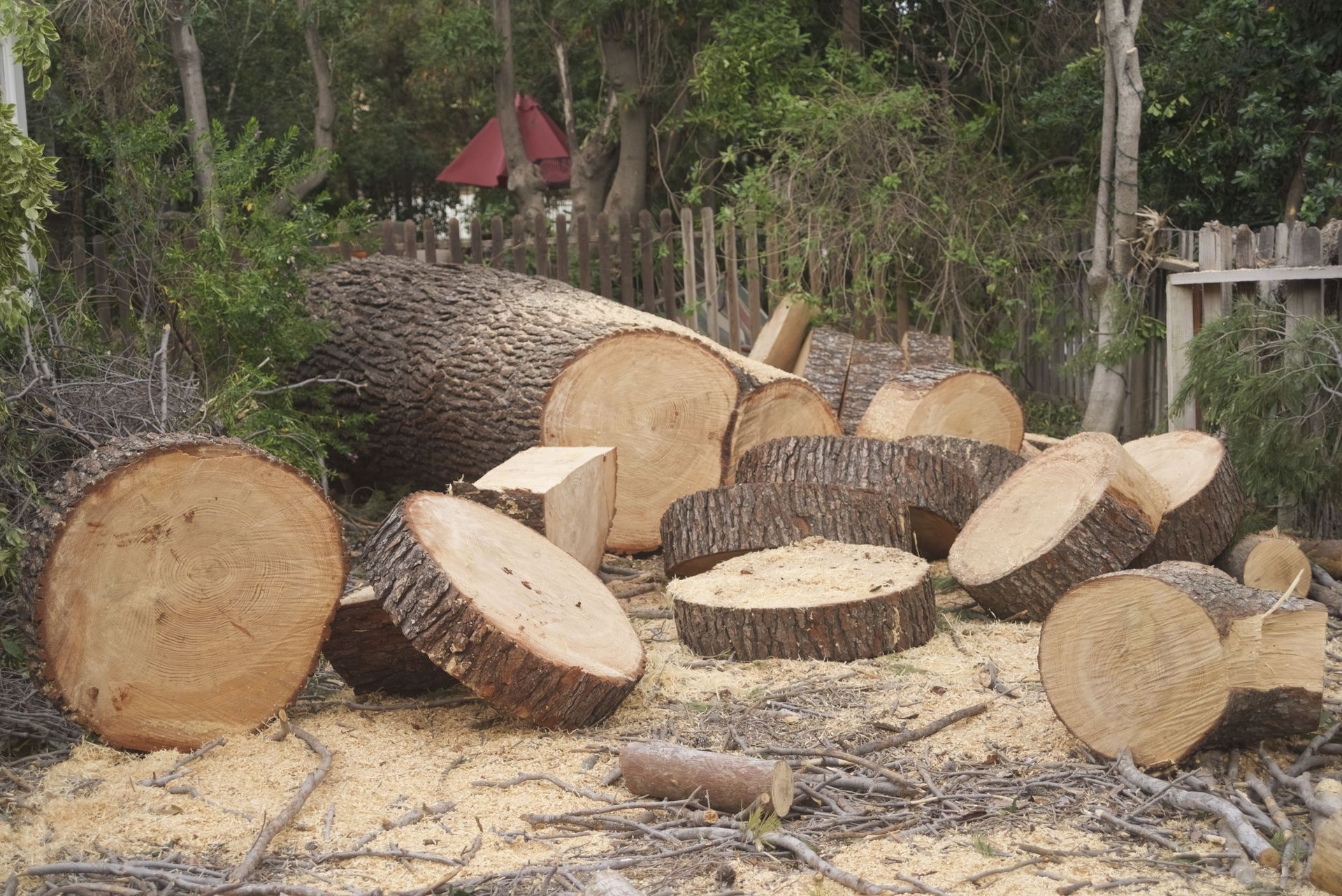
Required machinery also plays a substantial role in the total price of a project. Routine trimming requires standard chippers and trucks, whereas hazardous removals and stump clearing demand specialized heavy excavators, cranes, and commercial grinders. Furthermore, complete haul-away, branch chipping, and wood disposal represent significant labor and disposal fees that factor into overall project cost.
Clarify Inclusions for Stumps and Cleanup
Always verify the full scope of post-cutting services before work starts. A primary distinction in tree removal is whether the estimate includes stump grinding or full stump extraction. Clarifying these details early avoids unfinished yard projects.
Taking a proactive approach to tree health, seasonal timing, and professional safety standards keeps your outdoor space secure, functional, and vibrant year-round. Property owners across Valrico and the greater Tampa Bay region can rely on Valid Impressions Tree Service LLC for everything from routine canopy trimming and crane-assisted removals to rapid 24-hour storm response. Visit our website today to explore our full range of residential and commercial solutions and learn more about how our team can protect your landscape through our local tree service.