October 12, 2026
Healthy trees provide shade, improve air quality, support wildlife and make neighborhoods more attractive. However, trees also require responsible care to remain strong and safe as they grow. Sustainable tree trimming can help maintain healthy growth while reducing risks associated with dead, damaged or poorly positioned branches.
Responsible trimming is about more than simply cutting away branches. The right approach considers the tree’s natural structure, long-term health and surrounding environment. It can also help communities prevent avoidable property damage and other hazards. According to Research and Markets, the tree services market is expected to grow from $1.49 billion in 2025 to $1.7 billion in 2026, representing a 14.1% compound annual growth rate. This growth reflects the increasing demand for professional tree care and maintenance.
What Are the Main Benefits of Tree Trimming?
One of the primary benefits of tree trimming is improved tree health. Removing dead, diseased or damaged branches can prevent problems from spreading and allows a tree to direct its resources toward healthy growth. Selective trimming can also improve air circulation and sunlight penetration throughout the canopy.
Proper tree trimming can encourage a stronger structure as a tree develops. Removing branches that cross, rub against one another or grow at weak angles can reduce the likelihood of future structural problems. However, sustainable care does not mean removing as much growth as possible. Excessive cutting can weaken a tree and leave it more vulnerable to pests, disease and environmental stress.
Trees also provide important environmental benefits, so preserving healthy growth should be a priority. Mature trees store carbon, provide habitat for birds and other wildlife, reduce stormwater runoff and help moderate temperatures around homes and businesses. Thoughtful maintenance allows property owners to enjoy these benefits while addressing potentially hazardous growth.
When Is the Best Time to Trim Trees?
The best time for tree trimming depends on the tree species, its condition and the reason for pruning. In many cases, late winter or early spring is an appropriate period because many deciduous trees are dormant. With fewer leaves obscuring the branches, structural problems can also be easier to identify.
However, there is no universal trimming schedule for every tree. Some species respond better to pruning at different times of the year. Trees that have dead, broken or hazardous branches may also require attention regardless of the season.
Weather conditions should also be considered. Trimming during periods of extreme heat, drought or other environmental stress can place additional strain on some trees. Similarly, wet conditions can complicate certain maintenance work and increase safety concerns for workers.
Rather than following a rigid calendar, property owners should consider the individual tree and its circumstances. A professional assessment can help determine whether tree trimming is appropriate and identify the least disruptive time to perform it.
Which Tools and Techniques Are Best for Sustainable Tree Trimming?
Sustainable tree trimming starts with using the right equipment for the size and location of the branches. Hand pruners and loppers can be appropriate for smaller branches, while pruning saws may be needed for larger limbs. Larger trees may require specialized equipment and professional expertise.
Keeping cutting tools sharp and clean is another important practice. Clean, properly maintained equipment can produce cleaner cuts and reduce the potential for spreading pathogens between trees. Equipment should also be appropriate for the specific type of cut being made.
The technique matters just as much as the equipment. Good pruning generally involves making deliberate cuts that preserve the tree's natural structure. Branches should not simply be shortened indiscriminately or stripped from the canopy. Practices such as topping can remove excessive amounts of growth and create weak new shoots that are more susceptible to breaking.
Sustainable tree trimming also means avoiding unnecessary work. If a branch is healthy, structurally sound and not creating a hazard, leaving it in place may be the most environmentally responsible choice. Preserving existing canopy reduces waste and helps mature trees continue providing their environmental benefits.
How Can Tree Trimming Improve Neighborhood Safety?
Trees growing near homes, streets and utility infrastructure can eventually create safety concerns. Dead or weakened branches may fall during storms, potentially damaging vehicles, roofs, fences or other property. Branches that extend into roads or sidewalks can also interfere with visibility and pedestrian access.
Strategic tree trimming can reduce some of these risks by addressing problematic branches before they fail. Maintaining appropriate clearance around structures and transportation routes can make neighborhoods safer while allowing trees to remain part of the landscape.
Power infrastructure is another important consideration. Branches growing into utility lines can contribute to outages, particularly during severe weather. Carefully managing vegetation near electrical infrastructure can help reduce conflicts between trees and utility equipment.
However, trimming near power lines presents significant hazards and should generally be handled by qualified professionals. Attempting to cut branches near energized electrical equipment can expose property owners to potentially fatal electrical hazards.
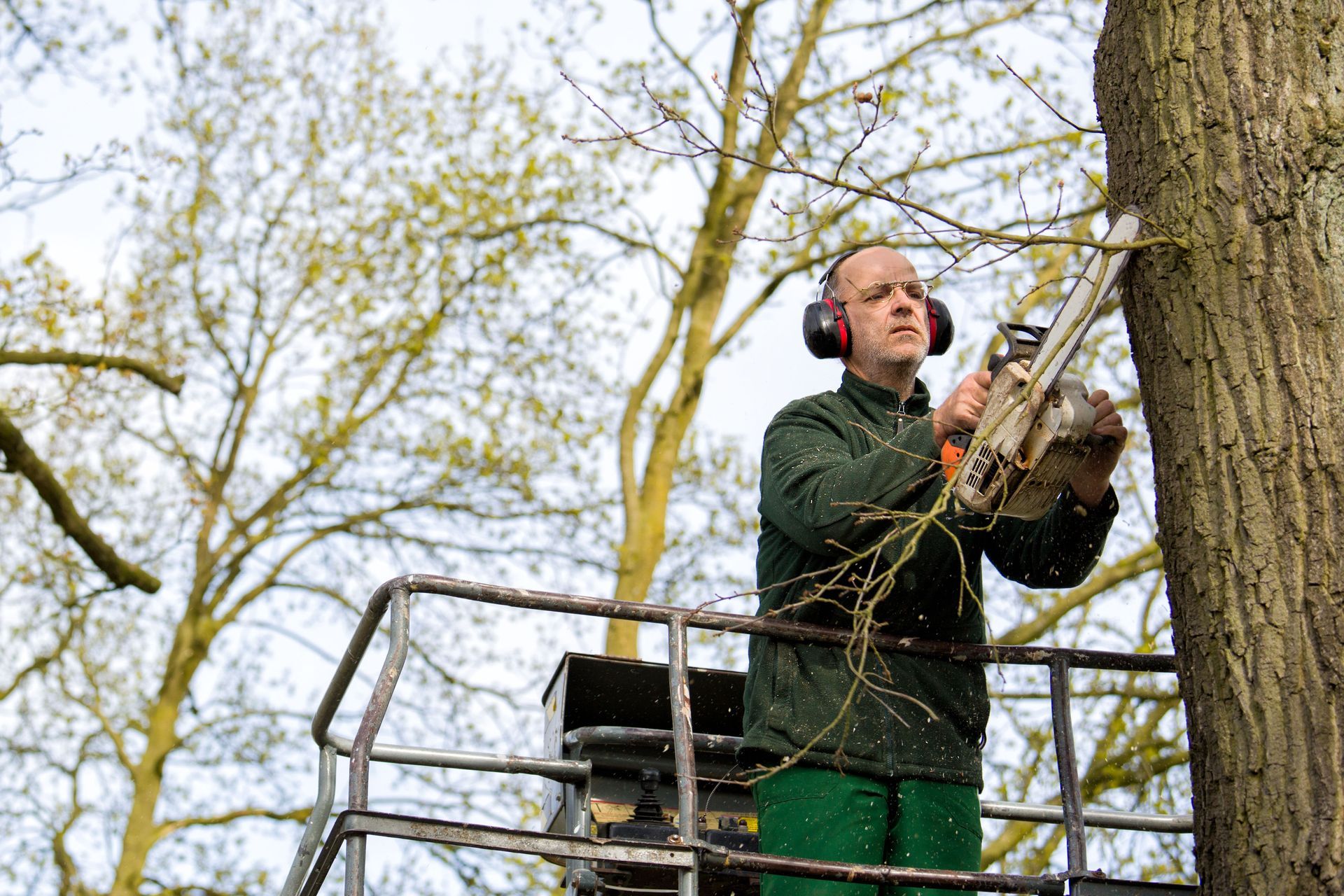
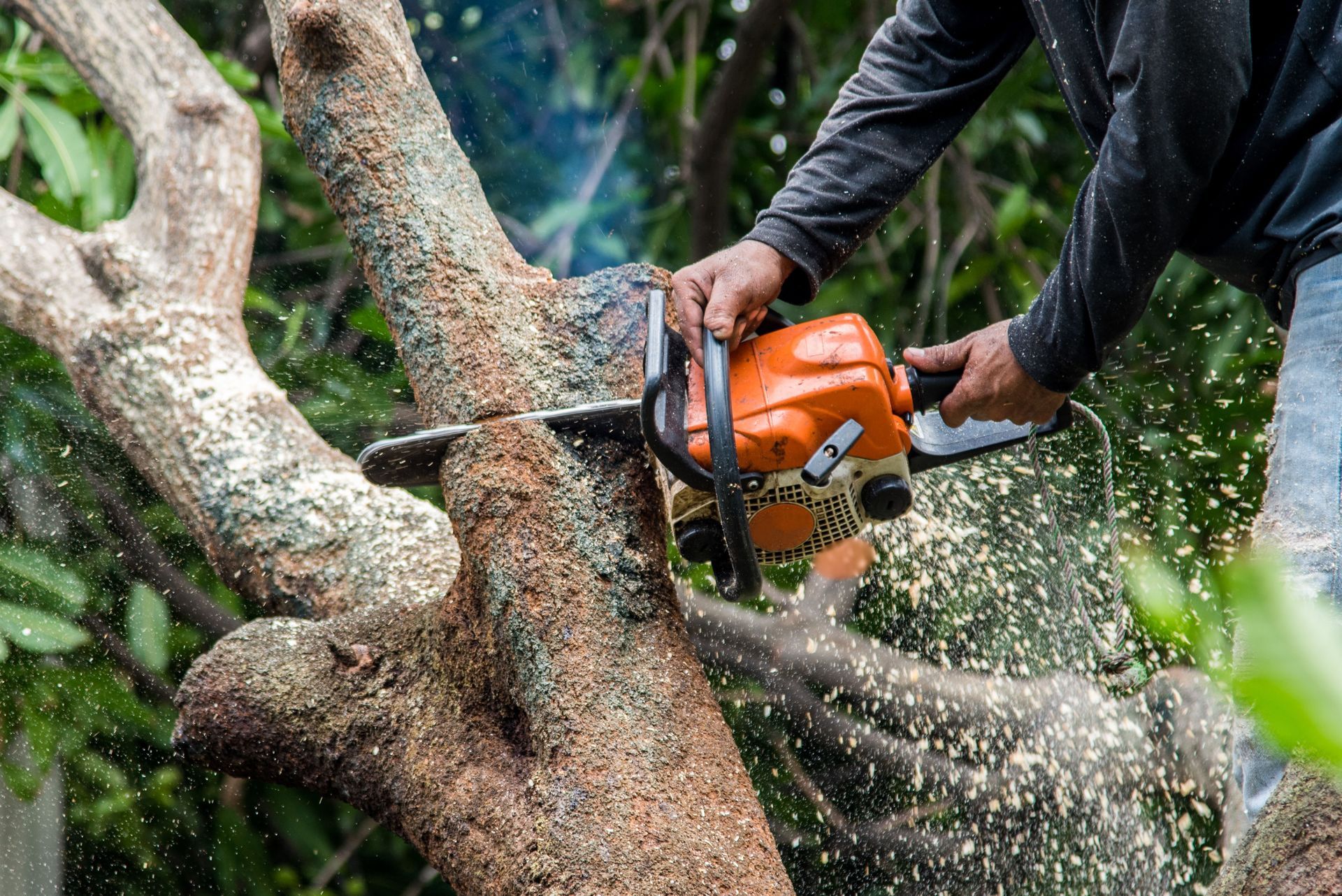
Safety also extends to the people performing the work. Tree branches can be heavy and unpredictable, while ladders, chainsaws and elevated work areas introduce additional risks. Professional tree care providers have the training and equipment needed to manage many of these hazards.
What Are Common Mistakes to Avoid During Tree Trimming?
One of the most common mistakes is removing too much of a tree's canopy at once. Severe pruning can interfere with photosynthesis, expose previously shaded branches and create unnecessary stress. Sustainable tree trimming should focus on targeted cuts rather than dramatic changes to the tree's appearance.
Another mistake is making poor-quality cuts. Cutting too close to the trunk can damage important tissues, while leaving excessively long branch stubs can interfere with the tree's natural healing process. Understanding proper branch structure is essential for making effective pruning cuts.
Topping is another practice worth avoiding. Removing large portions of a tree's upper canopy may appear to reduce its size quickly, but it can lead to weak regrowth and long-term structural problems. It can also diminish the tree's natural appearance and environmental value.
Property owners should also avoid trimming simply because a tree looks slightly overgrown. Every cut creates an opportunity for injury, so unnecessary pruning provides little benefit. Before starting a project, consider whether a branch is dead, damaged, diseased, structurally problematic or creating a legitimate safety concern.
Finally, large or difficult-to-access trees should not become do-it-yourself projects simply because the work appears straightforward from the ground. Professional tree trimming can be particularly valuable when branches are large, trees are close to buildings or electrical infrastructure is nearby.
Sustainable tree trimming balances tree health, environmental responsibility and neighborhood safety. By removing hazardous or unhealthy growth while preserving as much healthy canopy as possible, property owners can help trees remain strong and valuable parts of the community.
Timing, equipment and technique all matter, but restraint is equally important. Good tree care does not involve cutting simply for the sake of cutting. It involves understanding what a tree needs and addressing genuine health or safety concerns without unnecessarily damaging its natural structure.
With thoughtful maintenance and professional assistance when appropriate,
tree trimming can help protect property, reduce hazards and preserve the environmental benefits that healthy trees provide for years to come. If you're in need of experienced and reliable tree trimming, reach out to the dedicated team at Valid Impressions Tree Service LLC today!