September 9, 2026
Trees can add shade, privacy, character, and value to a property, but they can also become serious hazards when their structure begins to weaken. Damage from storms, disease, decay, poor pruning, root problems, and age can reduce a tree's stability without always creating obvious warning signs. A tree may continue to look healthy from a distance even when branches, trunks, or roots are losing strength. When weakened trees are left unaddressed, falling limbs or complete tree failure can threaten people, vehicles, buildings, utility lines, and surrounding landscaping. Working with a professional tree service can help property owners identify potential hazards before they lead to injuries or expensive damage. Understanding the hidden dangers associated with weak trees makes it easier to recognize when professional evaluation, pruning, treatment, or removal may be necessary.
Recognizing Signs of Structural Weakness
Structural weakness can develop gradually, making it difficult for property owners to recognize a problem until the tree has already become unstable. Large cracks in the trunk, splitting between major branches, cavities, missing bark, and areas of visible decay can indicate that a tree is losing strength. Multiple trunks that grow closely together may also create weak attachment points, especially when included bark becomes trapped between them. These defects can make trees more vulnerable to breaking when exposed to wind, snow, or the weight of heavy foliage.
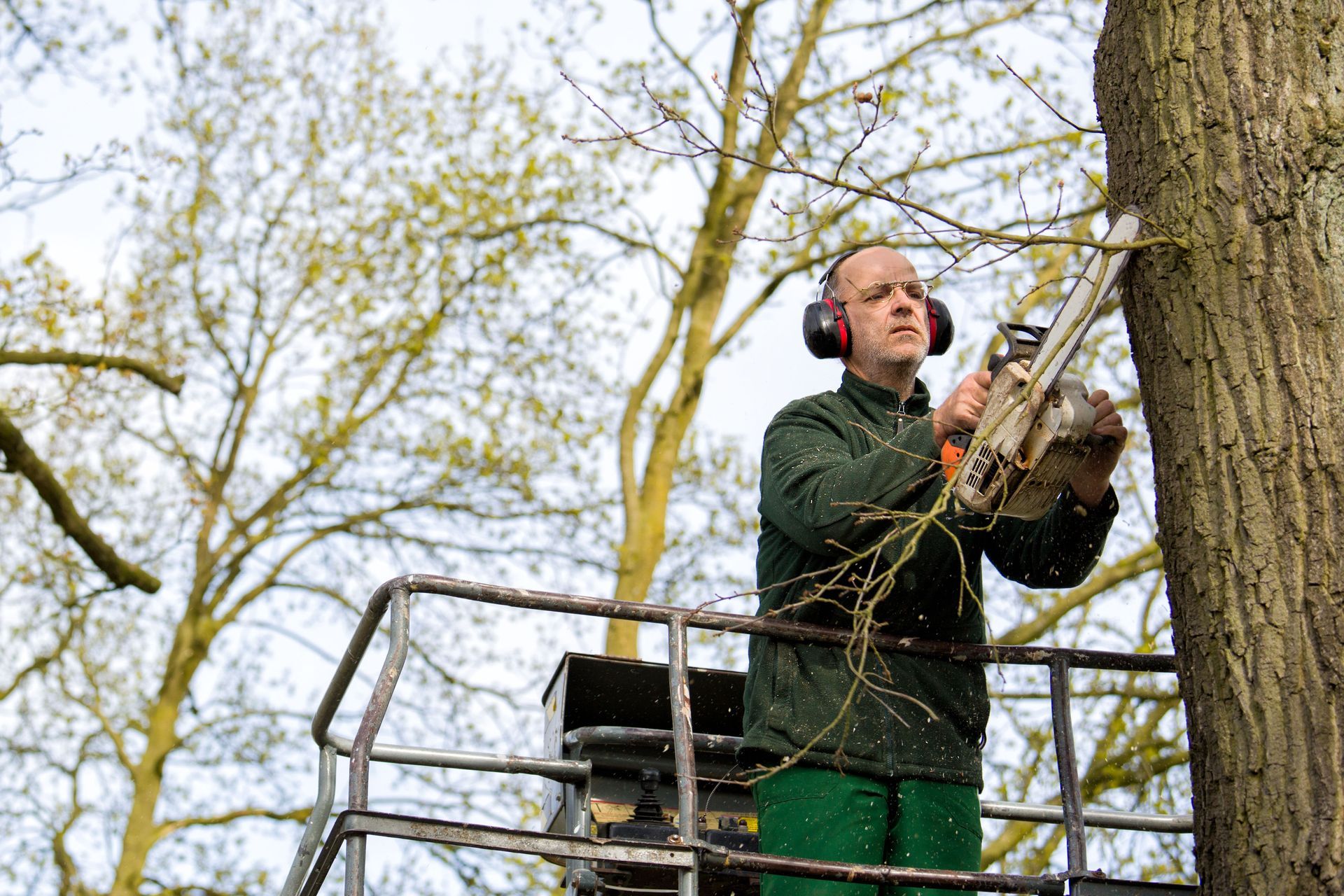
A professional tree service can evaluate structural concerns that may be difficult to assess from the ground. Arborists and experienced tree professionals can examine branch unions, trunk condition, canopy balance, and other features that influence stability. Early evaluation can help determine whether pruning, cabling, monitoring, or removal is appropriate. Addressing structural weaknesses before they worsen can reduce the likelihood of sudden failure and provide property owners with more options for managing the tree safely.
Identifying Hazards From Falling Branches
Dead, damaged, and weakened branches can pose a significant threat even when the rest of the tree remains standing. Branches may die because of disease, insect activity, storm damage, competition for light, or natural aging. Once a branch loses strength, it can break without much warning. Large limbs hanging over driveways, sidewalks, patios, playgrounds, parking areas, or buildings deserve particular attention because their location increases the potential consequences if they fall.
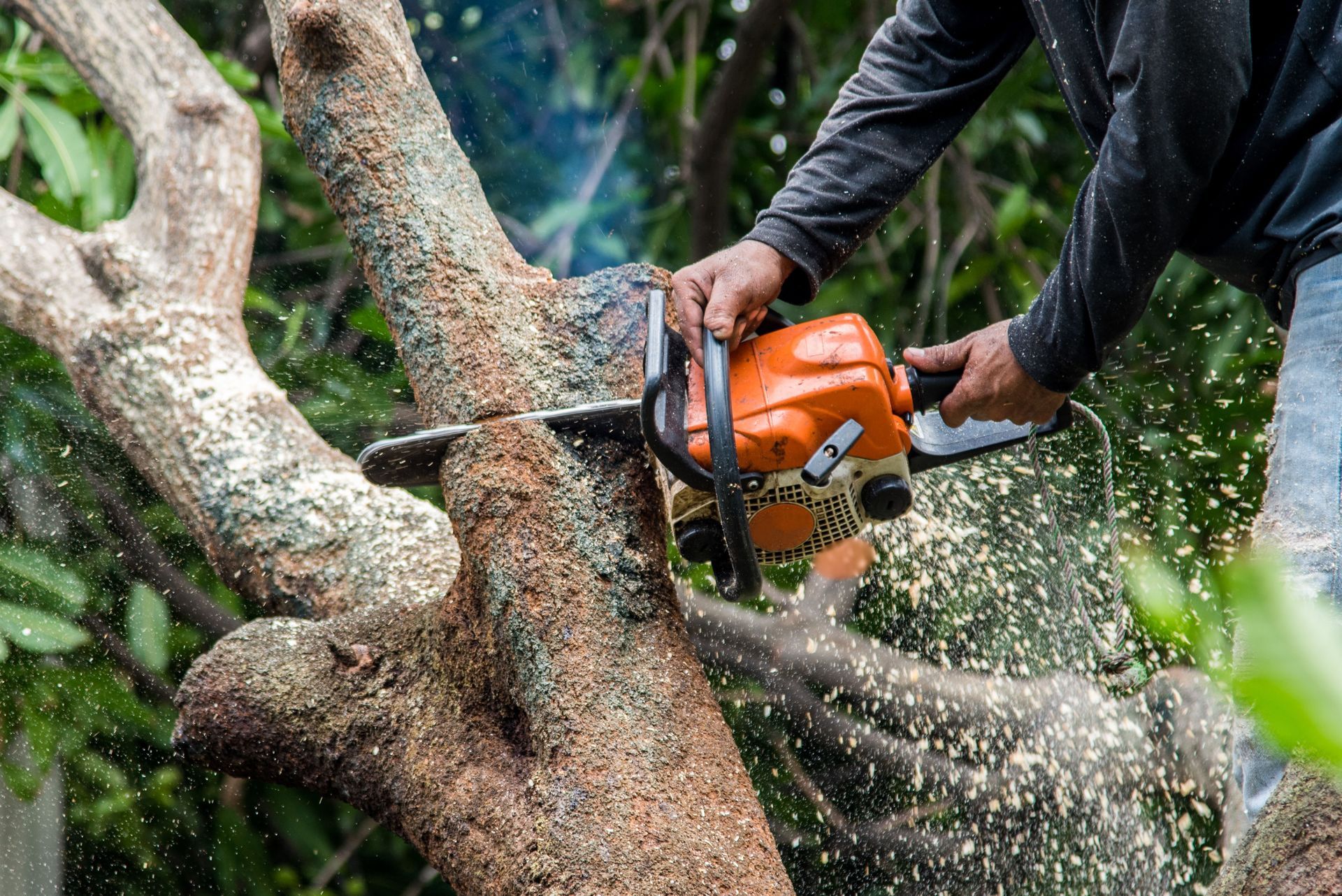
According to The Weather Channel, in 2025, high winds, including those produced by thunderstorms, caused falling trees and branches that resulted in 34 deaths across the U.S., based on NOAA data. This statistic highlights why weakened limbs should not be treated as a minor landscaping concern. Routine inspections and timely pruning can help identify branches that are dead, cracked, poorly attached, or otherwise at risk of falling. A tree service can remove hazardous limbs while considering the overall structure and health of the tree, helping reduce risk without removing more of the canopy than necessary.
Reducing Risks From Severe Weather
Strong winds, thunderstorms, ice, snow, and other severe weather can place tremendous stress on trees. Healthy trees are often able to withstand ordinary weather conditions, but trees with hidden weaknesses may fail when exposed to additional force. A hollow trunk, decayed branch union, damaged root system, or unbalanced canopy can make a tree significantly more vulnerable during a storm. Even a problem that appears minor during calm weather can become dangerous when high winds begin moving large limbs back and forth.
Preventive maintenance can help prepare trees for challenging weather conditions. Selective pruning may reduce the weight of damaged branches, correct certain structural concerns, and remove limbs that are already likely to fail. A professional tree service can also identify trees that require closer monitoring because of their condition or location. While no maintenance can guarantee that a tree will withstand every storm, addressing known weaknesses ahead of time can reduce avoidable hazards and help property owners prepare more effectively for severe weather.
Protecting People and Nearby Property
The level of risk created by a weak tree depends partly on what surrounds it. A declining tree in an isolated area may present less immediate danger than one located beside a house, driveway, playground, sidewalk, or frequently used outdoor space. Falling branches can damage roofs, siding, windows, fences, vehicles, outdoor furniture, and utility equipment. More importantly, branches or trees that fail near occupied areas can cause serious injuries to residents, visitors, employees, customers, or pedestrians.
Property owners should pay particular attention to trees located within striking distance of structures or areas where people regularly gather. Changes such as newly leaning trunks, hanging branches, cracks, exposed roots, or sudden canopy decline should not be ignored. Scheduling a tree service evaluation after noticing these conditions can help determine whether the tree presents an immediate hazard or can be safely maintained. Taking action before failure occurs can protect both the property itself and the people who use the surrounding area.
Addressing Problems With Roots and Trunks
Roots provide the foundation that keeps a tree upright, yet many root problems are hidden beneath the soil. Construction activity, excavation, soil compaction, erosion, excessive moisture, drought, and root diseases can all affect stability. A tree with damaged roots may begin leaning, develop thinning foliage, or show sections of dieback in the canopy. Raised soil or exposed roots near the base of a leaning tree may also indicate movement within the root system, especially after storms or periods of saturated ground.
Trunk damage can create similar concerns because the trunk carries the weight of the canopy and transfers forces into the root system. Large cavities, fungal growth, cracks, and extensive decay may reduce the amount of sound wood supporting the tree. Because the severity of internal damage is not always obvious, a professional tree service can provide a more complete evaluation of visible warning signs. Depending on the condition, recommendations may include monitoring, corrective work, or removal when the tree can no longer be maintained safely.
Responding Promptly to Developing Tree Problems
Tree hazards can change quickly, particularly after severe weather or when decay is progressing. A branch that appears stable one season may develop a crack, while a tree with compromised roots may begin leaning after heavy rainfall. Property owners should periodically observe trees for changes in canopy density, branch position, trunk condition, and overall appearance. Sudden differences are often more important than long-standing characteristics because they may indicate that the tree's condition is actively changing.
Prompt evaluation can help determine the seriousness of these changes and prevent unnecessary delays when action is needed. A qualified tree service can recommend an appropriate response based on the tree's species, condition, size, location, and potential targets. Some concerns may only require pruning or continued observation, while severely weakened trees may need to be removed. Responding early allows property owners to make planned decisions rather than being forced to react after a branch falls or a tree fails unexpectedly.
Weak trees can create hazards that are easy to overlook until weather, decay, or structural stress causes a sudden failure. Dead branches, cracked trunks, damaged roots, poor branch attachments, and developing decay can all increase the possibility of injury or property damage. Regular observation and professional evaluations can help identify these concerns while there is still time to determine the safest response. Through pruning, maintenance, monitoring, and removal when necessary, property owners can reduce avoidable risks while preserving healthy trees whenever possible. If you are concerned about weak, damaged, or potentially hazardous trees on your property, contact Valid Impressions Tree Service LLC to schedule professional assistance.